Common Pests and Treatments: An In-Depth Manual for Managing Pests
Households often face challenges from common pests like ants, cockroaches, and rodents. These infestations can disrupt daily life and pose health risks. Early detection is key, often marked by telltale signs such as droppings or gnaw marks. Knowing proper control methods and preventive measures can protect residences. This guide examines these elements and provides insight into when professional help may be needed. What steps can homeowners take to defend their residences properly?
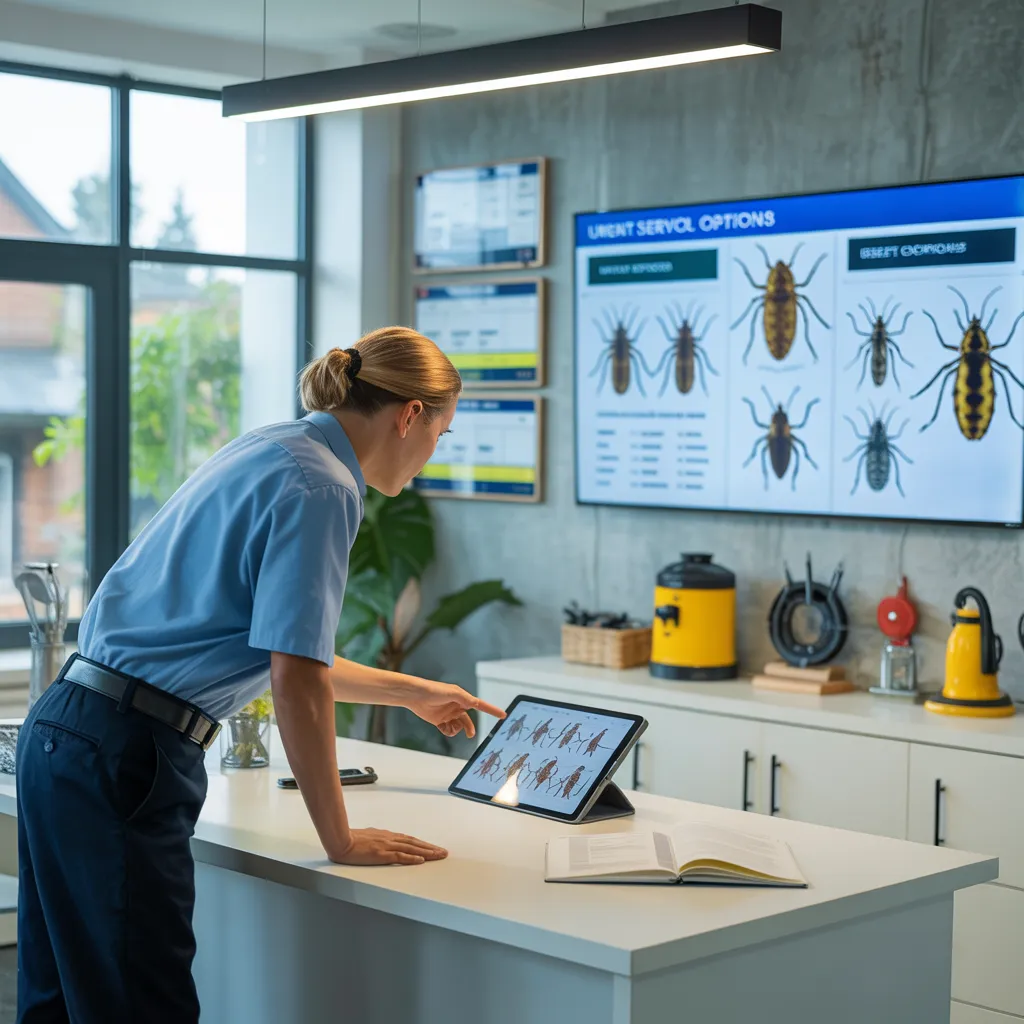
Detecting Common Household Pests
What are the ways to effectively identify common household pests? The initial step involves observing the environment for indications of pest presence. Frequent household pests encompass ants, cockroaches, spiders, and rodents. Every species demonstrates distinctive traits. Ants are often seen in trails, while cockroaches favor dark, damp areas. Spiders can be recognized through their webs and distinct body shapes. Rodents, such as mice and rats, leave droppings and gnaw marks.
Additionally, knowing about pest behavior is essential. For instance, some pests are active at night, making evening inspections essential. Familiarity with their chosen habitats helps with identification; termites, for instance, are typically found near wood sources. Understanding these traits can enable quicker identification and appropriate management. Therefore, a keen eye and knowledge of common pests' habits and appearances are critical for successfully identifying household pests.
Evidence of Infestation
Pest presence in a home typically manifests through multiple infestation indicators. Homeowners may notice droppings, which can vary in size and shape depending on the pest species. In addition, gnaw marks on wood or food packaging indicate rodent activity, while small perforations in walls or furniture could suggest insect presence such as termites. Unusual sounds, like scratching or buzzing, often signal an infestation hidden within walls or ceilings.
Another revealing sign is the existence of webs or nests, which can be located in corners or hidden spaces. Unaccounted for damage to plants or food items may also indicate pest activity. Additionally, unpleasant odors can arise from decomposing pests or their waste. Identifying these signs early is crucial for effective pest control, as immediate intervention can stop further damage and mitigate health risks linked to infestations.
Preventive Measures
Once signs of infestation are discovered, putting into action effective prevention strategies becomes crucial to safeguarding a home against future pest issues. Homeowners should first focus on keeping cleanliness, as food remnants and clutter invite pests. Frequently cleaning, vacuuming, and properly storing food can substantially reduce the chance of infestations.
In addition, closing cracks and crevices in doors, windows, and walls helps prevent pests from entering. Installing screens on windows and vents provides another barrier against uninvited pests. Correct drainage and eliminating standing water remove breeding grounds for insects.
Proper landscaping methods also serve a crucial function; maintaining trimmed bushes and preserving a clear buffer zone between vegetation and the home can prevent pest intrusion. Furthermore, training family members about these practices guarantees a collective effort in prevention, making it significantly harder for pests to establish a presence within the home.
Successful Therapy Alternatives
Addressing an infestation calls for a methodical approach to secure efficient treatment options are utilized. Various methods exist, designed to particular pest types and the degree of the infestation. Chemical treatments, such as insecticides and rodenticides, are extensively used for their immediate impact. However, these chemicals should be implemented carefully, complying with safety requirements to preserve humans and pets.
Natural predators and parasites serve as biological controls, providing an environmentally friendly option that minimizes reliance on chemicals. Integrated Pest Management (IPM) combines multiple strategies, emphasizing prevention and monitoring alongside treatment, which enhances long-term effectiveness.
Physical obstacles, including traps and exclusion strategies, deliver non-toxic solutions for handling pests, particularly rodents and insects. In instances of severe infestations, professional pest control services may be necessary, leveraging advanced techniques and expertise to remove pests effectively. All treatment alternative should be examined for its performance, safety, and environmental impact to ensure a well-rounded approach to pest management.
DIY Pest Elimination Solutions
With respect to pest control, DIY methods present effective options to commercial treatments. Natural remedies and homemade traps or baits provide environmentally friendly solutions for managing pest concerns. These techniques not only reduce reliance on harsh chemicals but also enable individuals to take control of their living spaces.
Eco-Friendly Pest Control Remedies
In what ways can homeowners successfully eliminate pests without turning to harsh chemicals? Natural remedies offer a sustainable alternative for pest management. Plant-based oils, such as peppermint and tea tree, have the ability to ward off insects when thinned and misted around the residence. Diatomaceous earth, a fine powder made from fossilized algae, can be sprinkled in areas where pests are prevalent, causing dehydration in insects that come into contact with it. Vinegar-based solutions function as efficient cleansers that likewise deter ants and spiders. Additionally, planting pest-repellent herbs like basil and lavender can create a natural barrier against unwanted insects. Through implementing these organic approaches, property owners can preserve a pest-free space while reducing their contact with toxic substances.
Home-Made Bait and Trap Solutions
For homeowners searching for more options to address pests without chemical solutions, home-created traps and baits deliver an effective approach. These DIY methods utilize common household items, making them both cost-effective and eco-friendly. As an illustration, a basic fruit fly trap can be constructed using a jar containing apple cider vinegar and topped with plastic covering, perforated with small openings. This lures and confines the flies, diminishing their presence. Comparably, a blend of borax and sugar functions as a potent bait for ants, luring them in while the borax disrupts their digestive systems. Handmade traps can focus on different pests, such as rodents, bugs, and even bigger creatures, giving residents a workable option to commercial pest management solutions.
When to Reach Out to a Professional
Establishing the ideal point to reach out to a expert for pest control can be difficult. Homeowners often attempt to address pest problems independently, but certain situations require expert assistance. If the infestation is severe or has persisted despite DIY efforts, it is wise to seek professional help. Furthermore, specific pests, such as termites or bedbugs, require expert treatments that are best handled by experienced technicians.
When homeowners experience health hazards, like allergies or disease transmission related to pests, the urgency for professional assistance grows. In addition, if the pest problem affects structural integrity or poses a fire hazard, urgent action is essential.
In conclusion, people missing the time or expertise to successfully tackle the situation should consider recruiting professionals. Identifying these signs can support quick and effective pest management, securing a safe and comfortable living environment.
Common Questions
What Are the Signs of a Severe Pest Problem?
To determine if a pest problem is severe, one should observe the rate of sightings, visible harm to property, signs of infestation, and the presence of droppings or nests, suggesting a significant, ongoing issue.
Are There Any Natural Remedies for Pest Control?
Natural solutions for pest control include employing essential oils, diatomaceous earth, vinegar, and soapy water. These approaches can ward off or remove pests without hazardous chemicals, catering to those looking for environmentally friendly alternatives for dealing with infestations.
How Should I Safely Dispose of Deceased Pests?
To properly get rid of dead pests, you should wear gloves, insert the body more about AArdvark Electric Service Inc. into a sealed bag, and discard it in the trash. Another option is that some may prefer to bury it at a safe distance from living areas.
Are Pests Harmful to My Pets' Health?
Yes, pests can negatively impact the health of pets. These infestations may result in diseases, parasites, and allergic reactions, potentially causing discomfort or serious illness. Consistent veterinary care and preventative actions are vital for maintaining pets' well-being against pests.
What Are the Costs Associated with Professional Pest Control Services?
Expert pest control services usually range from $100 to $300 per appointment, depending on factors such as the type of pest, severity of problem, and location. Ongoing maintenance plans may require additional costs over time.